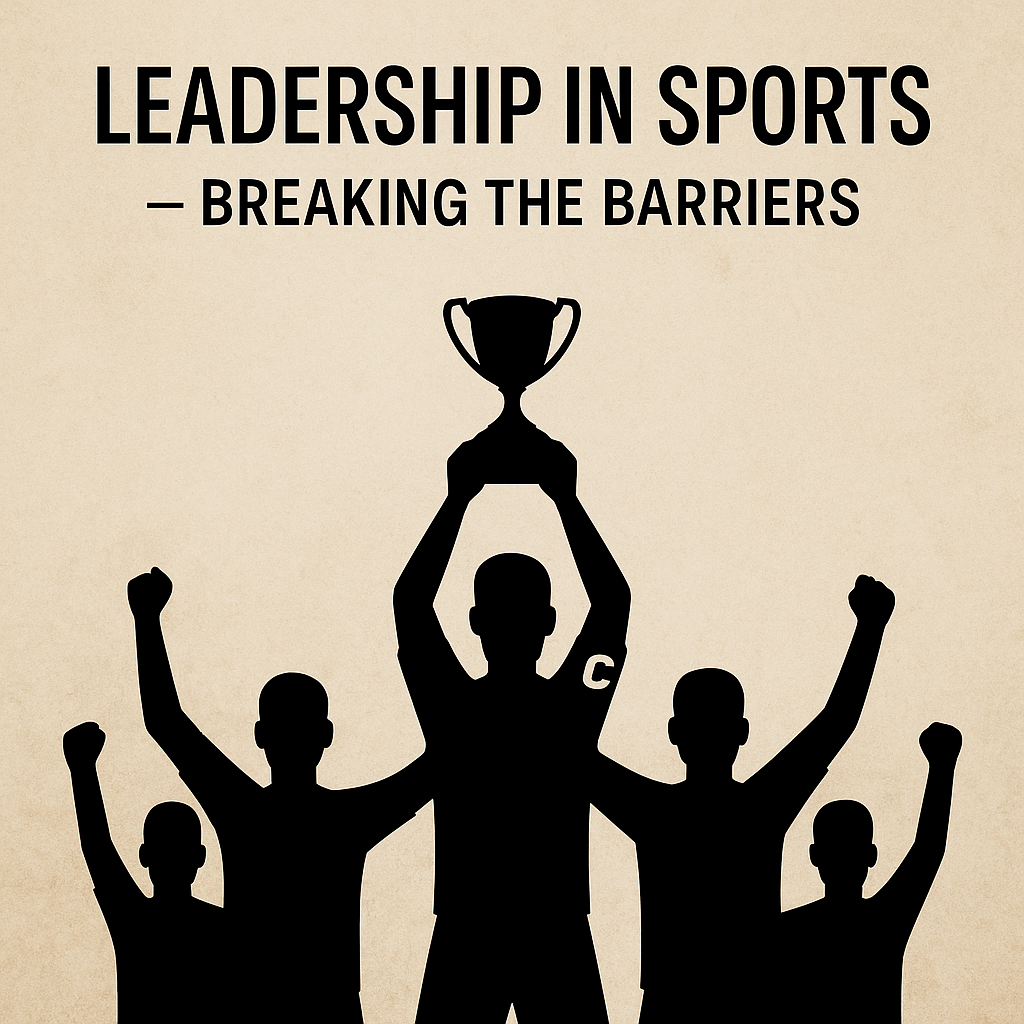
In sport, great performances can win matches. But great leaders build teams that last.
Leadership is not about the loudest voice, the biggest talent, or the most dramatic victory. It is about influence, trust, and courage — and for many athletes, stepping into that role means breaking through barriers that are as personal as they are competitive.In sport, great performances can win matches. But great leaders build teams that last. Leadership is not about the loudest voice, the biggest talent, or the most dramatic victory. It is about influence, trust, and courage — and for many athletes, stepping into that role means breaking through barriers that are as personal as they are competitive.
The Barriers Athletes Face
- Silence & Fear of Speaking Up
- Many players grow up believing that it’s safer to stay quiet — to let the coach speak, to let older teammates decide. But leadership begins when you learn to use your voice with clarity and respect.
- Fear of Failure
- Leaders make decisions that affect the whole team. Fear of making mistakes can stop talented players from ever taking charge. True leadership is built on resilience — the ability to recover, take feedback, and keep guiding others.
- Pressure & Expectation
- Captains and senior players are under constant scrutiny. Handling pressure with composure is a skill that doesn’t appear overnight; it’s developed through experience and mindset training.
- Stereotypes & Misconceptions
- We often assume that only extroverts can lead, or that leadership is about control. In reality, introverted athletes can be deeply effective leaders because they listen, observe, and connect authentically.
What True Leadership Looks Like in Sport
- Communication that Inspires – speaking so teammates feel heard and motivated, not just instructed.
- Leading by Example – showing discipline, effort, and attitude every day in training and competition.
- Decision-Making Under Pressure – staying calm, analysing situations quickly, and guiding others when the game gets chaotic.
- Empathy & Team Connection – understanding teammates’ emotions, strengths, and struggles to bring out their best.
- Courage to Be Accountable – owning mistakes and standing by the team when things go wrong.
Building Leadership — A Skill, Not a Title
Leadership isn’t something you’re born with. It’s a skill you can build step by step:
- Develop Confidence: Practice speaking up — in huddles, team discussions, or even small everyday interactions.
- Learn to Listen: Great leaders listen more than they talk. Pay attention to teammates’ needs and concerns.
- Seek Feedback: Ask coaches and teammates how you can be a better communicator or decision-maker.
- Own Responsibility: Start by taking small leadership roles — organizing warm-ups, supporting new players, helping manage conflict.
Why Breaking Barriers Matters
When athletes break through their fears, silence, and self-doubt, they don’t just become better captains — they become better teammates and stronger individuals.
Leadership empowers athletes to influence beyond the scoreboard: to keep morale high, to help teammates bounce back from loss, and to set a culture where everyone strives to improve.
Sport has always been about more than winning. It’s about growth, resilience, and connection. Leadership amplifies all three.
Takeaway
If you aspire to lead, start with courage.
Speak up. Take responsibility. Build trust.
Leadership is not a badge someone gives you — it’s a barrier you break within yourself first.