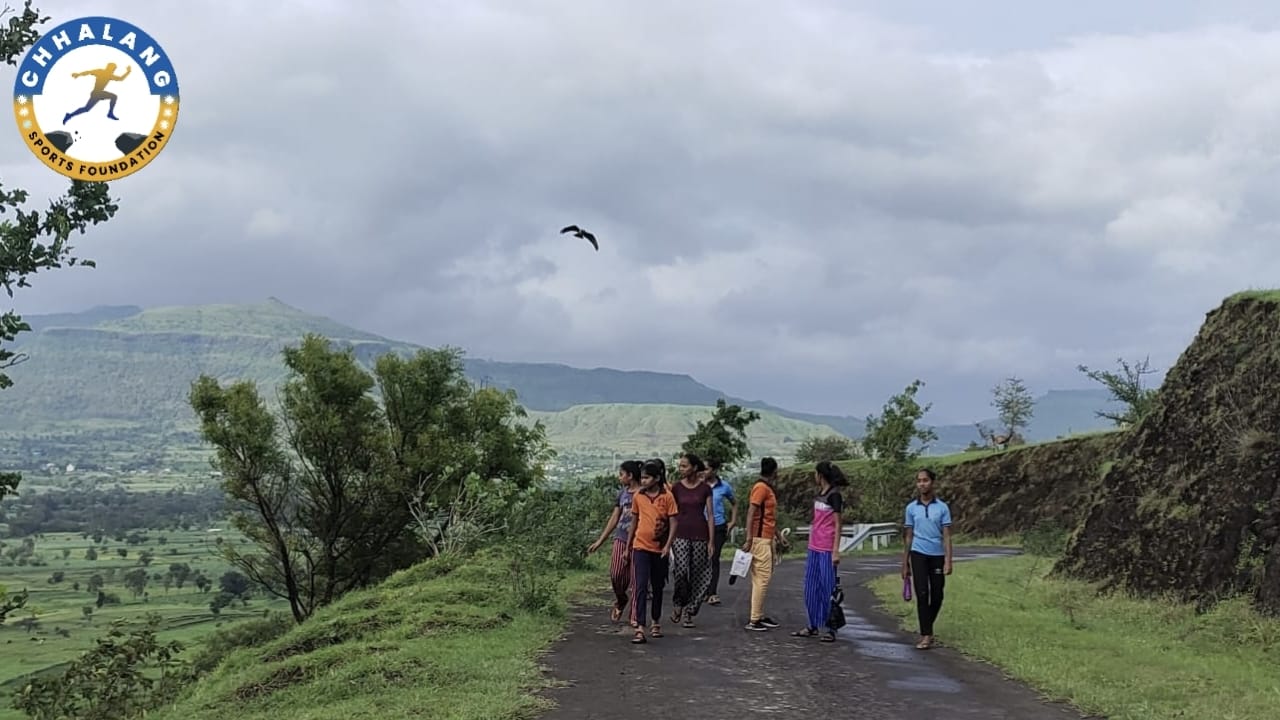
"You will be responsible for whatever happens to these girls!" This is what I often hear from villagers when I encourage girls to step onto the kabaddi ground. Not because I am leading them towards something wrong, but because I am leading them towards something different. In my village, a girl's future is decided before she even understands the world—grow up, do housework, help on the farm, and get married at 18. There is little space for dreams beyond survival. And sports? That is not even considered an option. But I knew that sports could change their lives—because it changed mine.
A Different Kind of Sports Story
I was not one of those athletes who had to fight with their parents for permission to play. My story was the opposite. I played kabaddi in school, and when I passed out of 10th grade, my parents and even my brother encouraged me to continue. They wanted me to travel, compete, and experience the world through sports. But I thought differently. I had good grades, so I did what every “smart” student is expected to do—I chose science and focused on my studies. For five years, I stayed away from sports. And those were the five years I regret the most. By the time I realized my mistake, it was too late. The competition had advanced, and I couldn’t catch up.
So, I chose a different path. I pursued an MBA in Sports Business Management, determined to give back to the world I had left behind. In 2021, I returned to my village, this time not as an athlete but as a mentor. That’s when I saw them.
A Small but Powerful Change
The daughters of farmers and daily wage workers had talent, potential, and passion. But they also had barriers. On January 1, 2021, I stood in front of 60 school kids and told the principal that I would train them for free. The first thing I noticed? They were playing kabaddi in pyjamas. Not because they wanted to, but because that’s all they were allowed to wear. For three months, I worked on convincing them to wear proper sports aƫre. Some of them refused to come and play sports with me, and those who stayed were the girls. And when they finally agreed, it felt like a Bollywood movie moment. The first time they wore shorts to practice; they refused to step onto the ground. They stood at the edge, pulling their shorts down, feeling exposed and unsure. It wasn’t just a change in clothing—it was a shift in mindset. And once they got comfortable, everything changed. Within eight months, we became district runners-up.
More Than Just a Game
More Than Just a Game Today, I coach 24 girls daily, but my role extends beyond training. I am not just their coach. I am their advocate, their mentor, and, in many cases, their shield. From the outside, our daily routine looks simple: Morning practice on a small hill near the village - School during the day - Evening practice at the school ground—cleaning, watering, drawing the kabaddi court, warming up, training, cooling down, and walking home But in reality, their day looks very different. Before morning practice, they clean cow dung at home. Before school, they wash dishes. And after school, they cook, make bhakri, and help on the farm. And in between all of this, they fight for their right to play.
The Mindset Problem
These girls are between 10 and 16 years old, and the biggest challenge right now isn’t sports—it’s society’s mindset. In 2014, a girl from our village ran away and got married. Since then, every girl has been under watch. If she smiles too much, she is judged. If she wears good clothes, she is questioned. And the worst part? Boys in the village do not see girls as equals. Here, boys do not understand boundaries and believe they are entitled to girls’ attention. They pressure them into relationships, make inappropriate demands, and when rejected, blame the girl for it. This fear has forced parents to restrict their daughters—not because they don’t believe in them, but because they fear the consequences. Some girls, in search of freedom, end up running away with their boyfriends and getting married too early. Instead of addressing the real problem—the lack of respect and education on boundaries—people choose to control girls rather than educate boys. And this is why sports is needed.
Why This Work is Personal
Parents don’t just see me as a coach. They see me as the guardian of their daughters’ futures. If a girl is late from practice, I get the call. If a girl is injured, I get the blame. If a girl makes a mistake in life, I will be held responsible. This is not just coaching. This is fighting for change.
The Road Ahead
We are not just building athletes. We are building confidence, independence, and a new way of thinking. But we cannot do it alone. These girls have the potential, the discipline, and the hunger to succeed. But they need the right opportunities, nutrition, and support to reach the next level. If you believe in the power of sports to change lives, join us. Support us. Be part of the change.
This is just the beginning…

