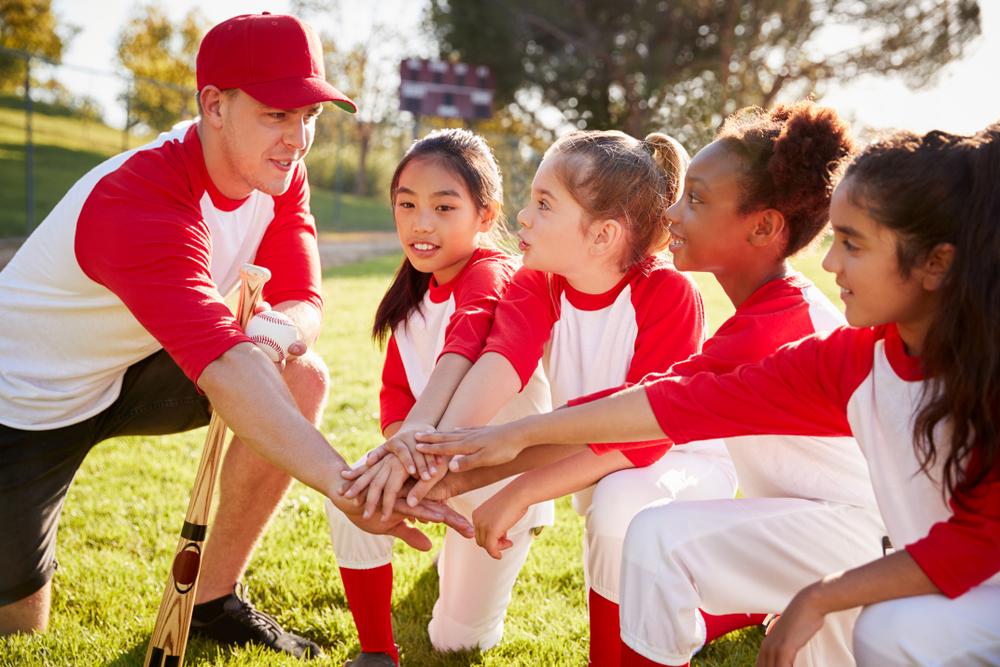
Ask any young athlete to name their favourite player, and the answers usually come quickly. A champion. A match-winner. Someone admired for their skill, intensity, or success. But the more important question comes next: why that player is your favourite—and how many of those qualities you actually carry within yourself. When athletes reflect on the qualities they admire—discipline, composure, courage, work ethic—they begin to see sport not just as a contest of results, but as a long-term process of becoming. This is awareness.
The Road to the Top Is Never Linear
The journey in sport is rarely smooth. Wins and losses, injuries and recoveries, selections and setbacks, confidence and doubt—these are not exceptions. They are the structure of sport itself. There is no sport without these phases. What separates athletes is not the absence of difficulty, but how they live through each phase and how they come out of it. That response is shaped by character and personality. Just like technique, personality cannot be developed overnight. It takes months and years of discipline, repeated choices, and quiet commitment—often when no one is watching.
Choices Shape Growth
Every athlete stands at repeated crossroads:
- Do I take responsibility, or do I blame?
- Do I focus on improvement, or only on outcomes?
- Do I respect my opponent, or resent them?
Growth happens when athletes move beyond vague ambition and make specific choices:
- Clear goal setting
- Consistent effort
- Continuous improvement, even when progress feels slow
Talent may open doors, but choices decide how far you walk through them.
Learning Off the Court, Performing On It
What athletes learn off the court directly influences how they perform on it. Teamwork, integrity, respect, and accountability are not “soft skills.” They are performance skills under pressure.
An athlete who learns to:
- Respect opponents by recognising their strengths
- Shake hands and say “Good match” regardless of the result
- Accept responsibility instead of blaming conditions, officials, or others
is building emotional stability and decision-making clarity.
These habits reduce emotional load. Lower emotional load improves decision quality. Better decisions lead to better activity and performance.
Respect as a Competitive Skill
Respecting opponents does not make athletes weaker—it makes them sharper. When athletes write down an opponent’s strengths, they shift from fear or frustration to learning. The next step is critical: How can I develop those same strengths in myself? This mindset transforms competition into education.
Leadership Begins Early
At the grassroots level, leadership is not about titles or speeches. It is a way of life. Leadership shows up when athletes:
- Hold standards even when adults are not watching
- Support teammates during difficult moments
- Stay composed when emotions are high
Cultural connection matters here. When sport reflects shared values—respect, effort, humility, resilience—it becomes more than training. It becomes identity.
The Bigger Picture
Sport is a preparation ground for life. What athletes learn now—how they handle pressure, disappointment, responsibility, and relationships—shapes who they become when life presents challenges far bigger than a match. Holistic development is not a distraction from performance. It is the foundation of sustainable performance. The goal is not just to become a better player. It is to become a stronger person—one choice, one phase, and one commitment at a time.